PROBLEM STATEMENT
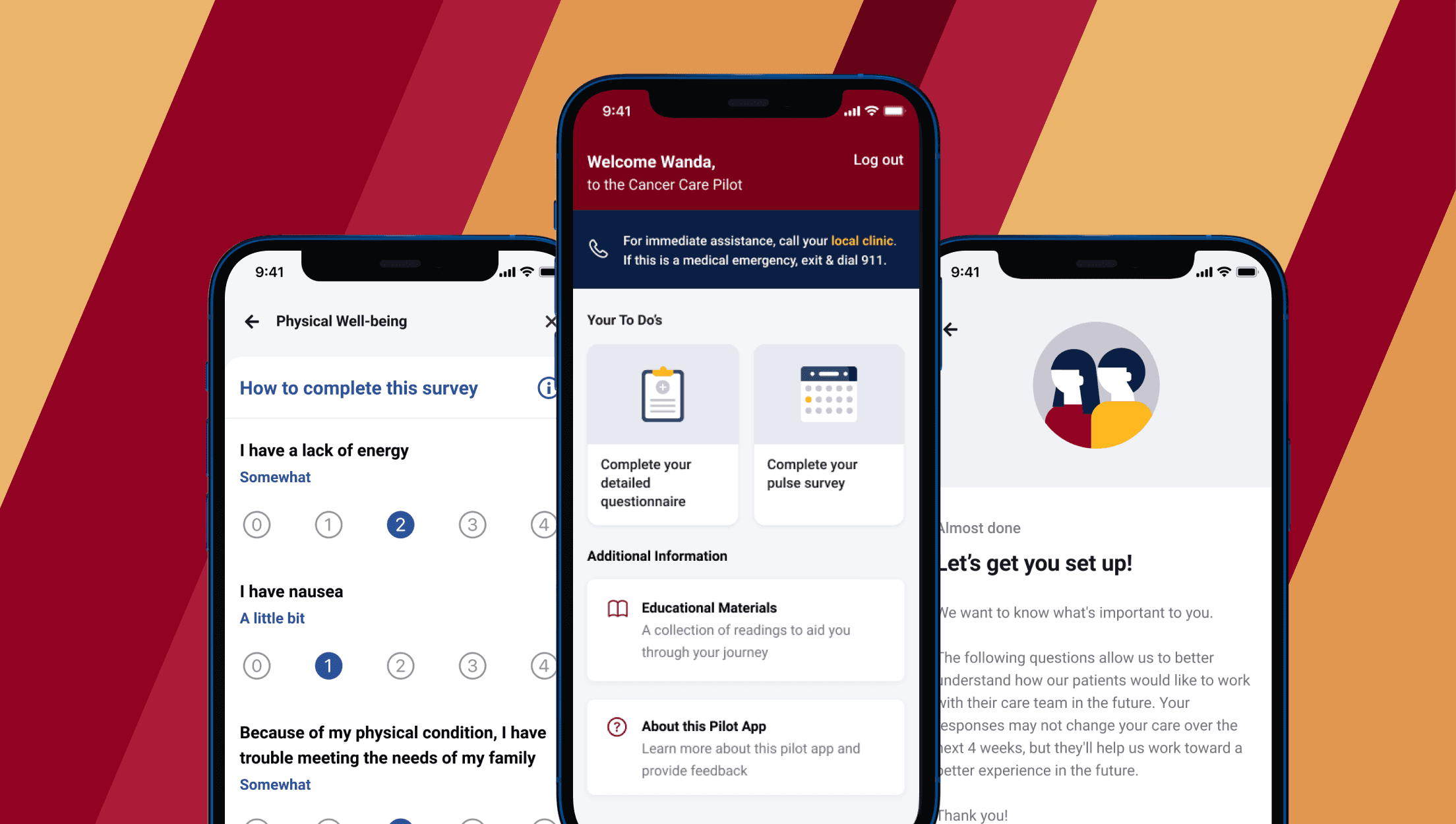
Cancer patients and caregivers often struggled to track symptoms, manage information, and stay connected throughout treatment. The absence of a unified digital tool led to fragmented communication, missed insights, and emotional overwhelm during an already challenging journey.
Role
Product Designer
Time
~2 months
Team
3 people
Industry
Healthcare | B2C
Quick Summary
⭐️Context
Cancer care patients and caregivers lacked a central, user-friendly digital tool for symptom tracking, education, and collaboration. The app aimed to bring structure, support, and clarity to the treatment journey in a mobile first format.
✅SOLUTION
A mobile MVP was designed with structured daily symptom surveys, bite-sized educational resources, and shared dashboards for caregivers and care teams. The interface blended clinical reliability with warm, accessible language and simple flows that adapt to varying digital comfort levels.
🎯RESULT
The pilot version achieved high survey completion rates, strong caregiver and patient feedback on tone and ease, and improved visibility of symptoms for care teams. The app laid the foundation for scaled rollout, deeper data-visualization, and richer care-team integration.
Context
mHealth Fairview, a joint initiative between the University of Minnesota and Fairview Health, set out to improve cancer care through a digital platform. Patients relied on paper logs or fragmented tools, leading to inconsistent reporting, delayed escalations, and lack of shared visibility between patients and care teams.
Patients lacked a single structured space to:
Fragmented data systems
Low visibility across supply chain
Inconsistent experience for each role
Delayed investigations and rework
Goal:
Design a mobile MVP that centralizes patient engagement, making symptom tracking, education, and monitoring effortless.
Goals & Challenges
Symptom Tracking
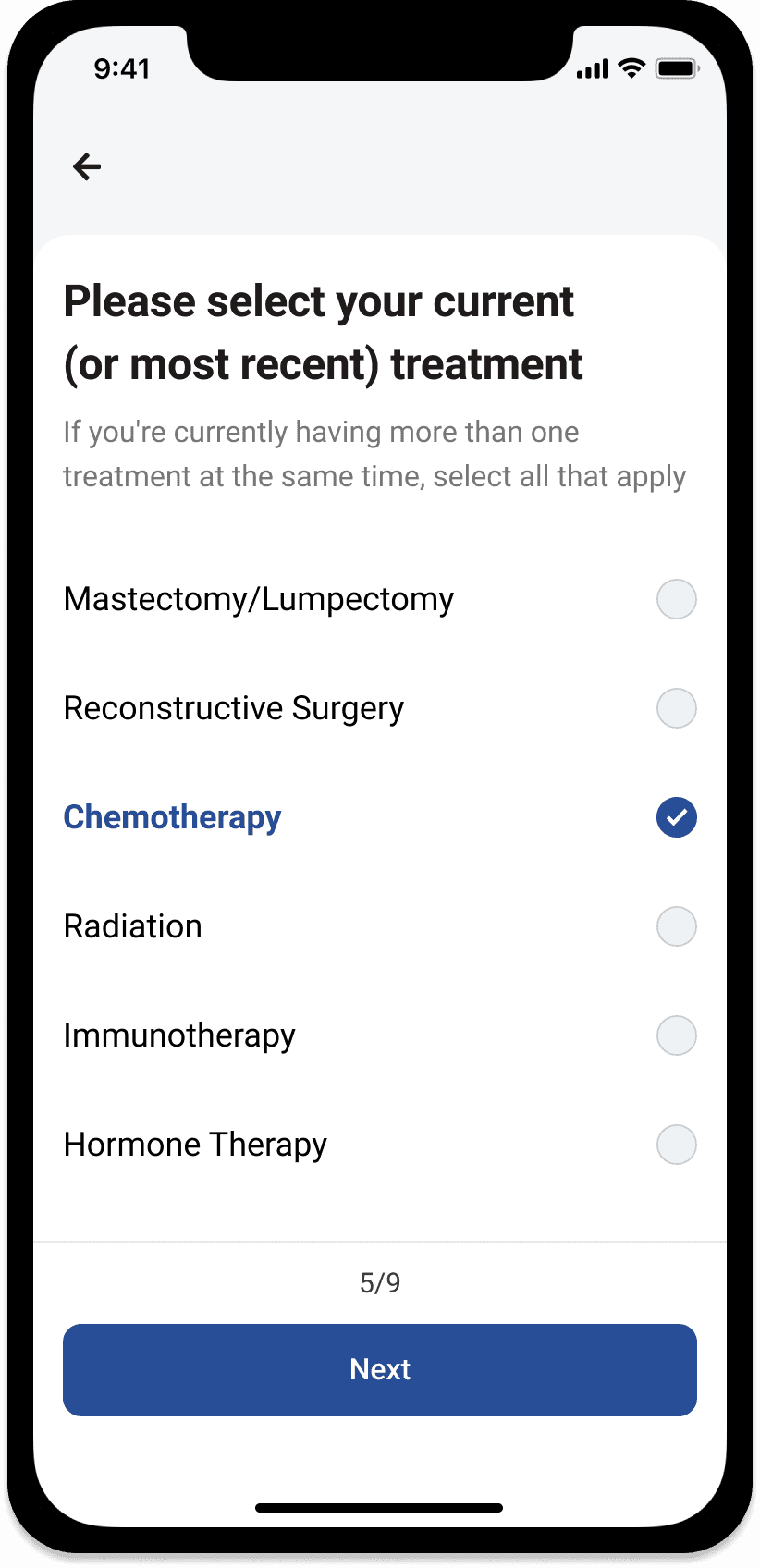
Make daily reporting structured, simple, and human
Personalized Education
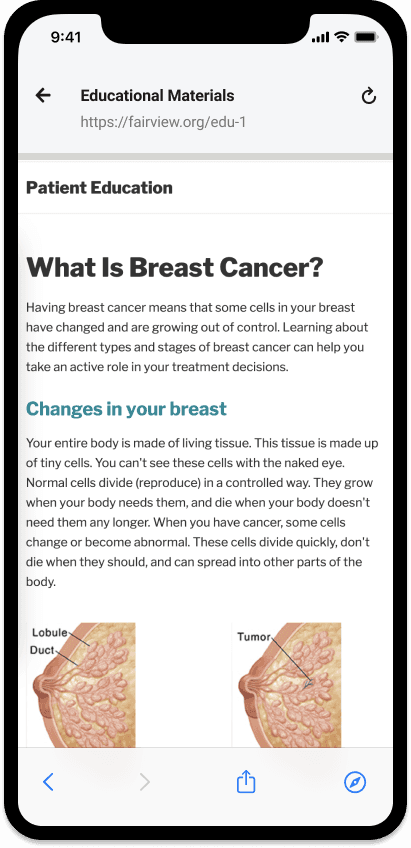
Deliver relevant, digestible reading material.
Collaboration
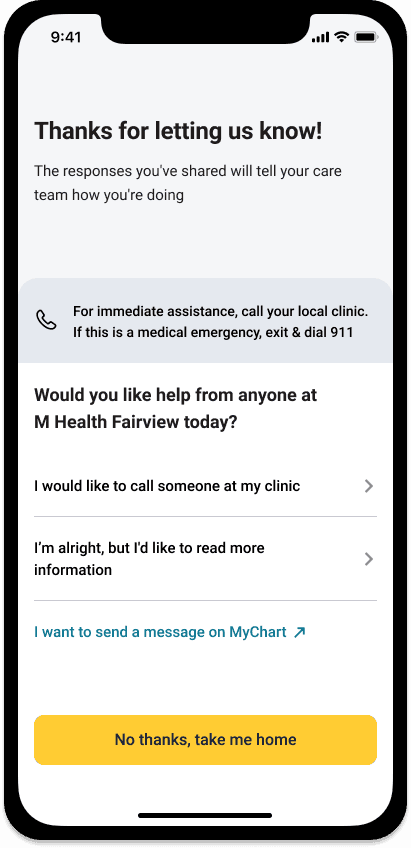
Enable care teams to act on real-time patient data
Clear Dashboards
Visualize trends and progress simply
Key Challenge:
Balancing clinical rigor with an empathetic, low-friction experience for patients of varying ages and digital comfort levels.
Users & Roles
We began with deep research to understand how people across manufacturing, QA, logistics, and planning were actually working — and where friction lived.
Independent Patients
Description
Adults undergoing treatment, using the app themselves
Key Needs
Simple daily reporting, dashboards to monitor progress, easy access to educational content
Family/Caregivers
Description
Supporting elderly or dependent patients
Key Needs
Ability to report on behalf of patient, manage appointments, access resources and dashboards
Research Insights
Quick workshops with clinicians and patient reps uncovered critical insights:
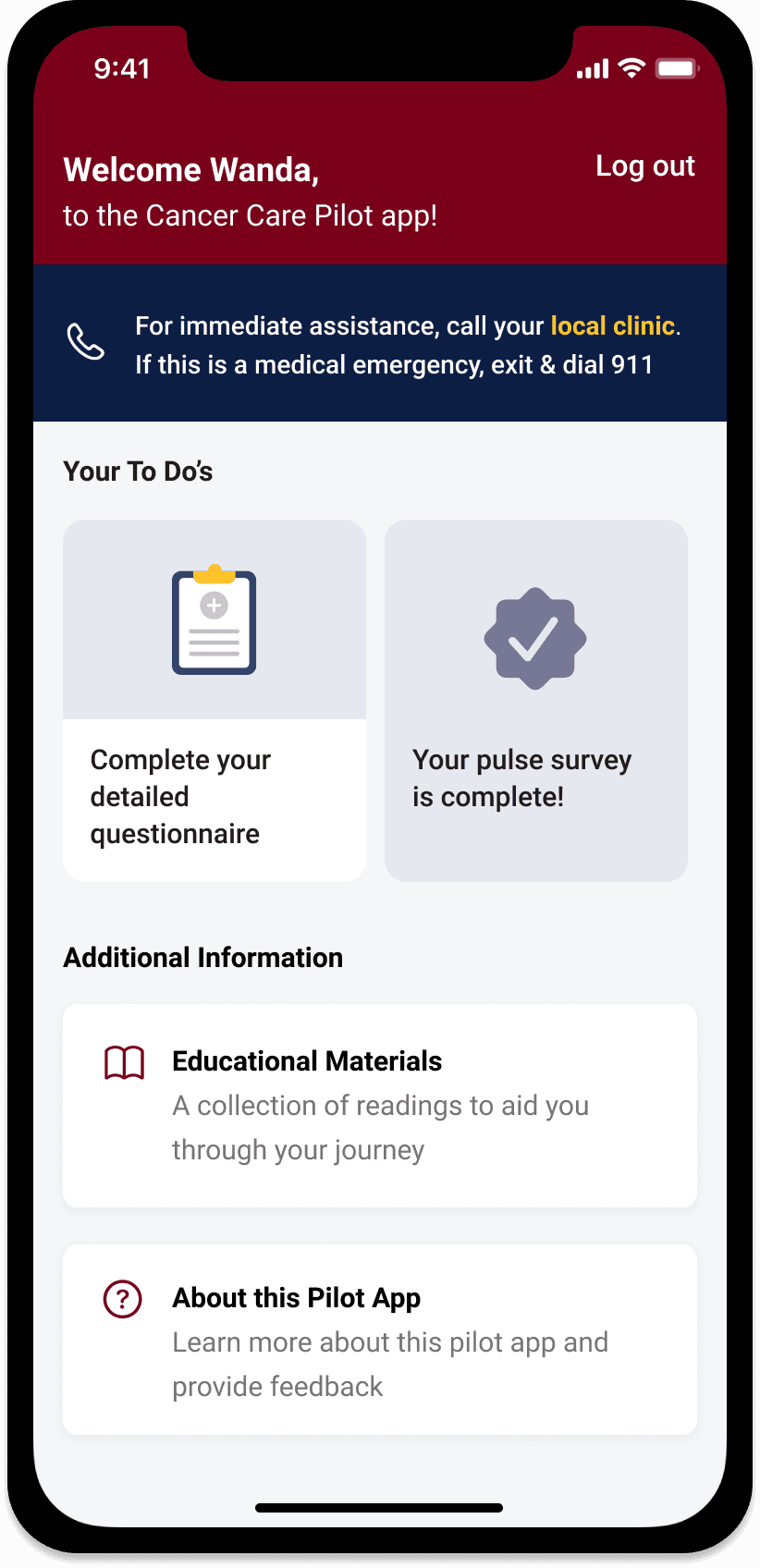
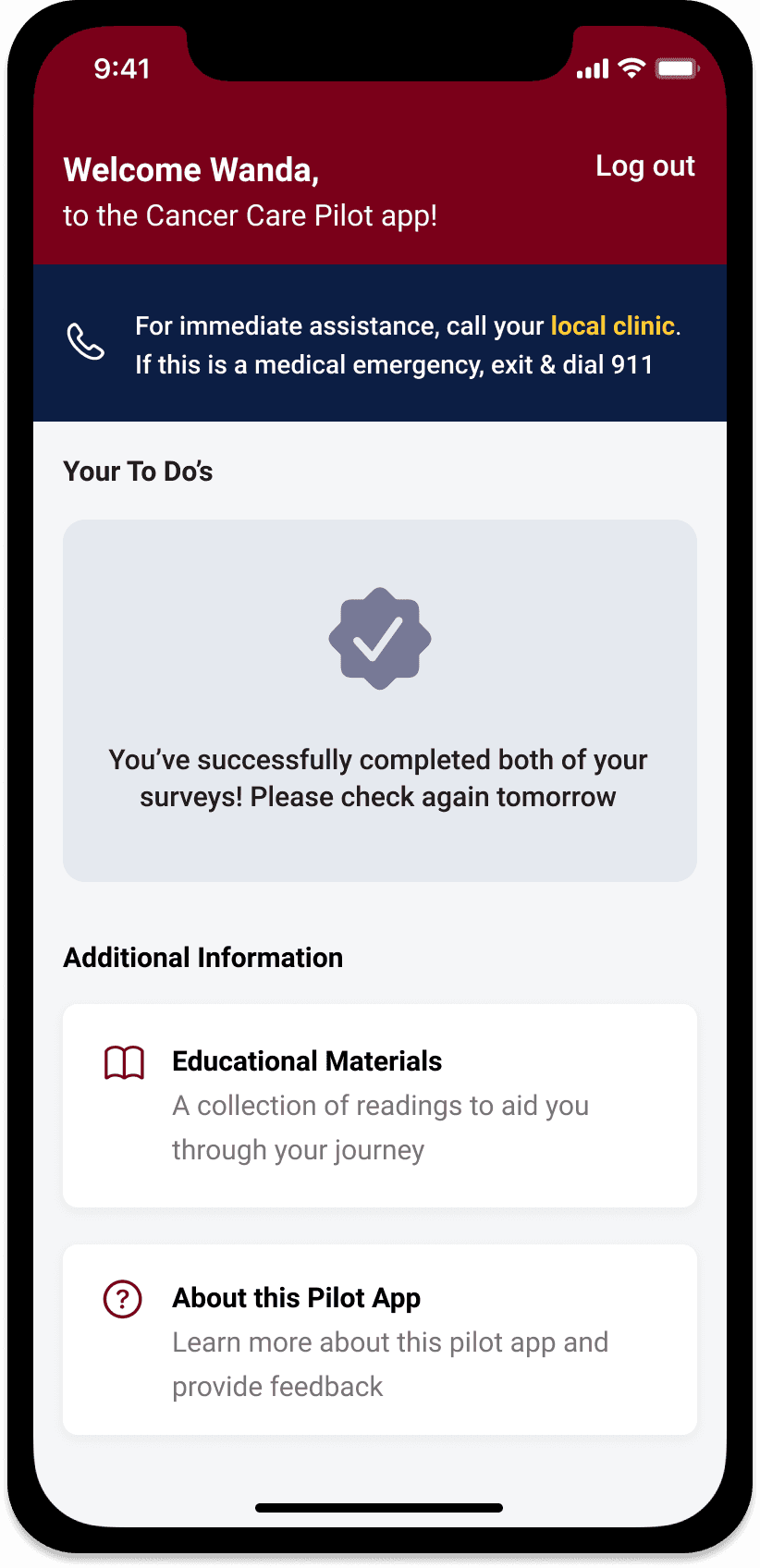
Patients often forget daily symptom logging → nudges & To-Do structure are key
Language must be human and supportive, not clinical
Dashboards should be visual and digestible, not data-heavy
Educational content must be bite-sized, not buried in PDFs
Standardized survey data is essential for care team decisions
These findings shaped the information architecture and UX tone of the MVP.
Information Architecture & User Flow
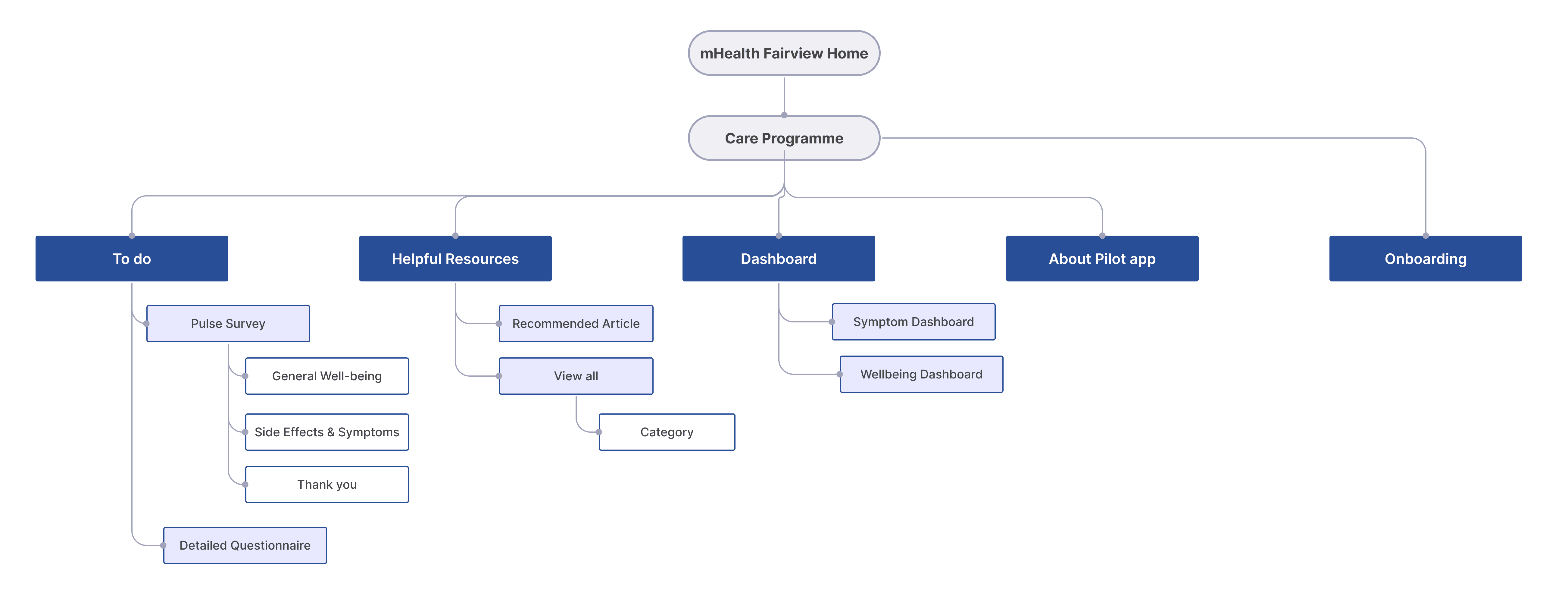
I mapped out a core MVP journey that balanced patient simplicity with care team needs:
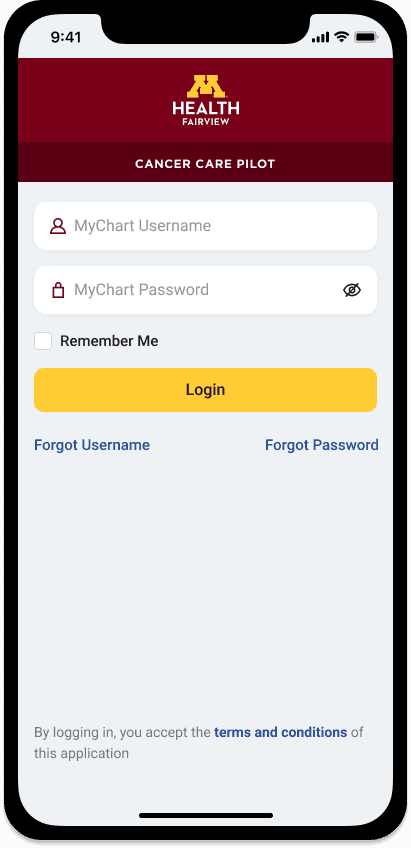
Onboarding → Explain purpose and personalize preferences
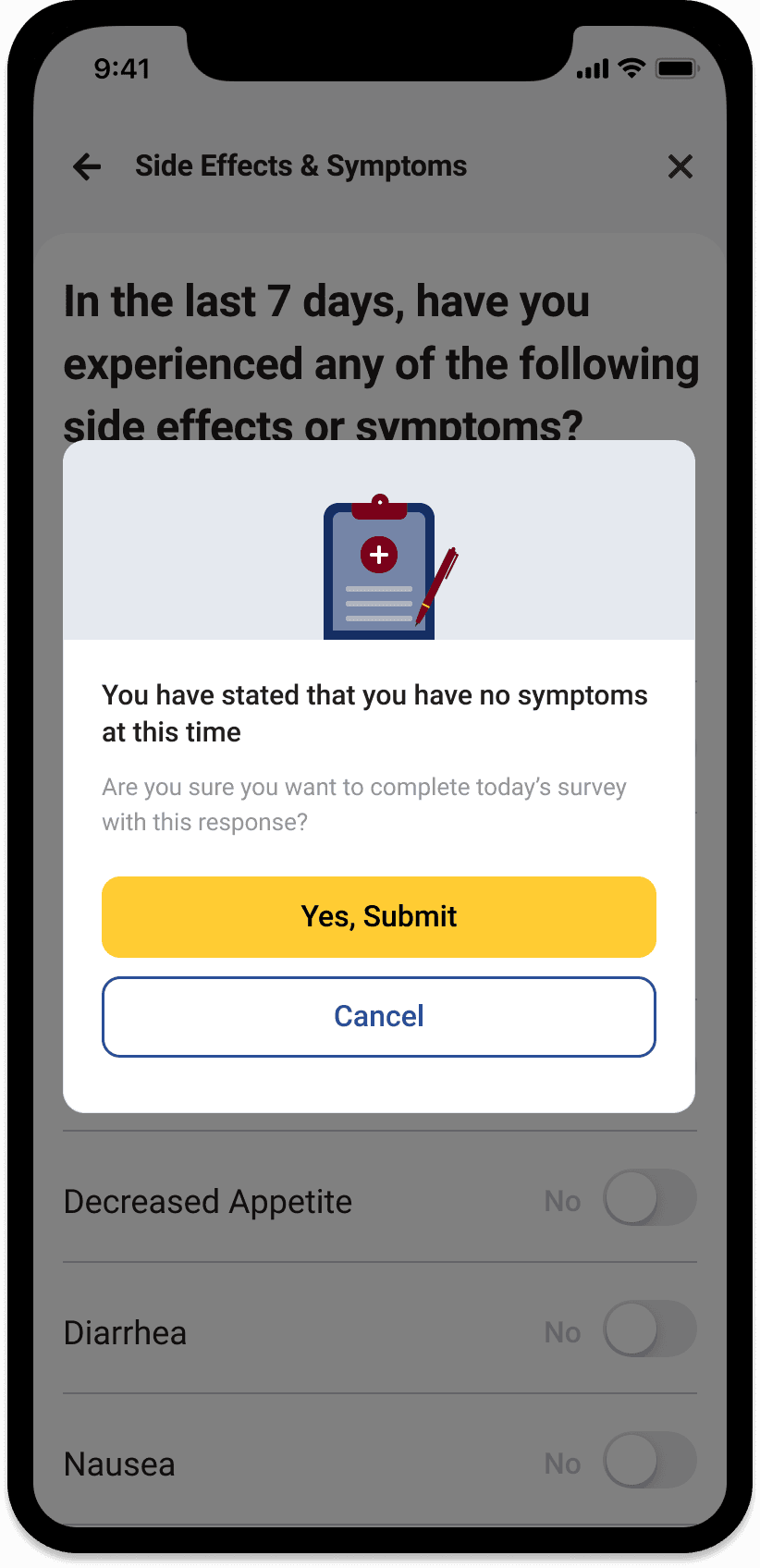
Daily Surveys → Track symptoms and well-being
Dashboards → View progress and trends
Resources → Access educational materials tailored to preferences
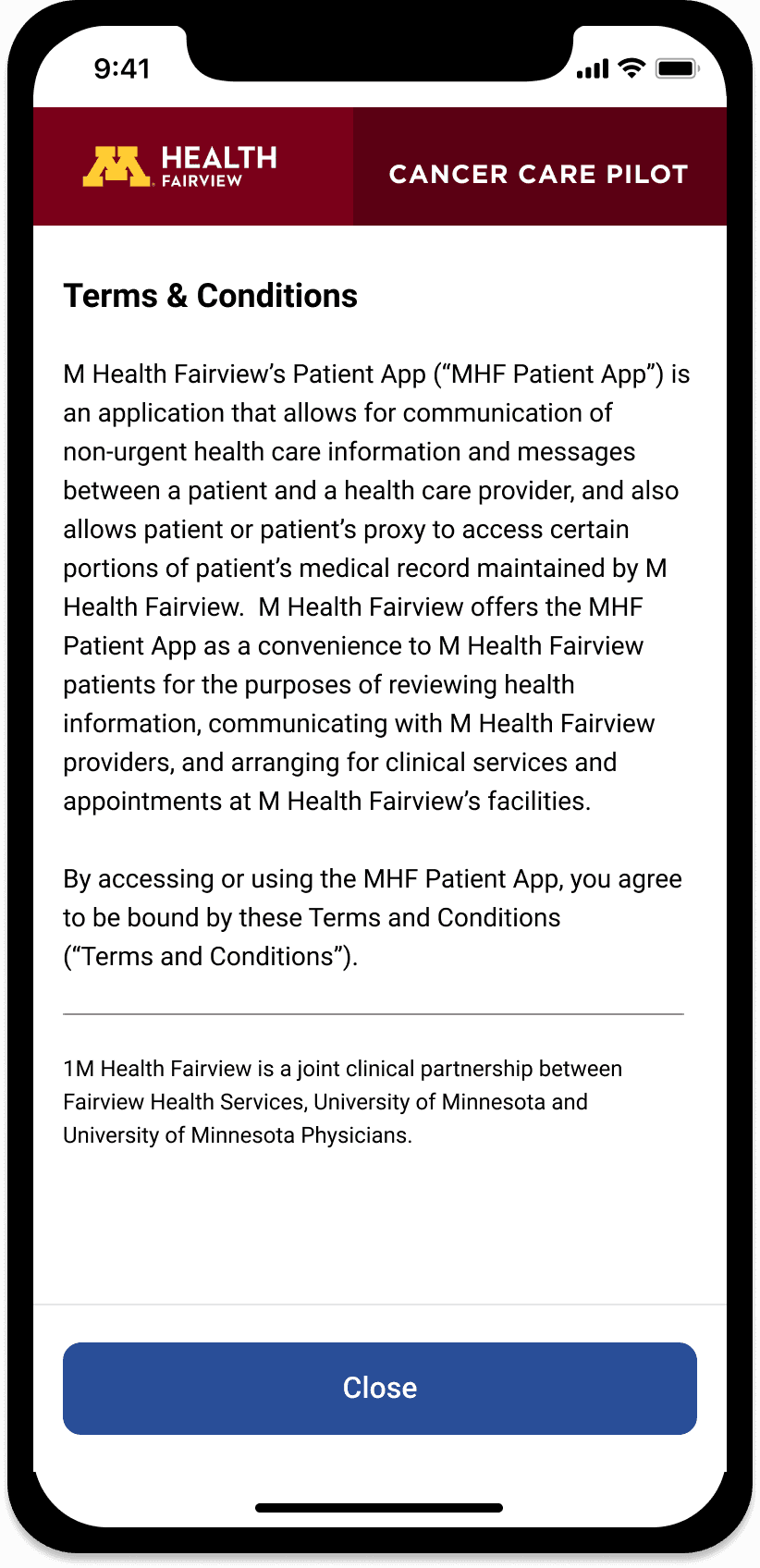
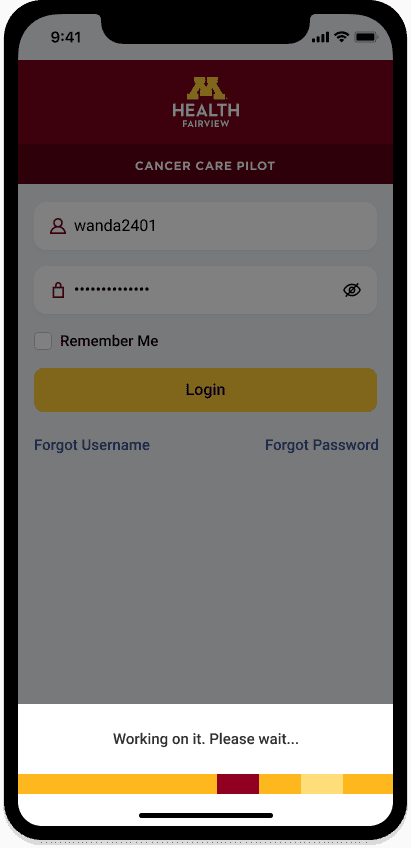
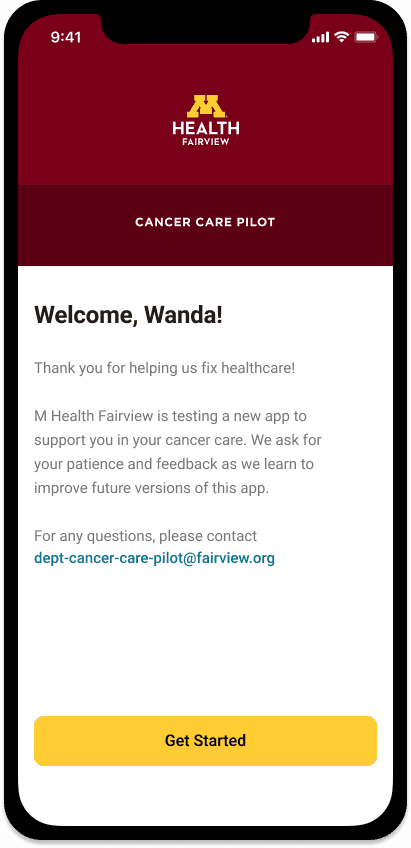
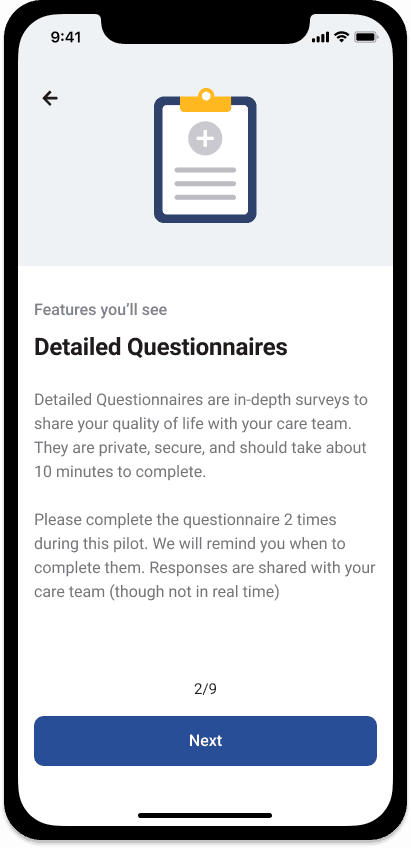
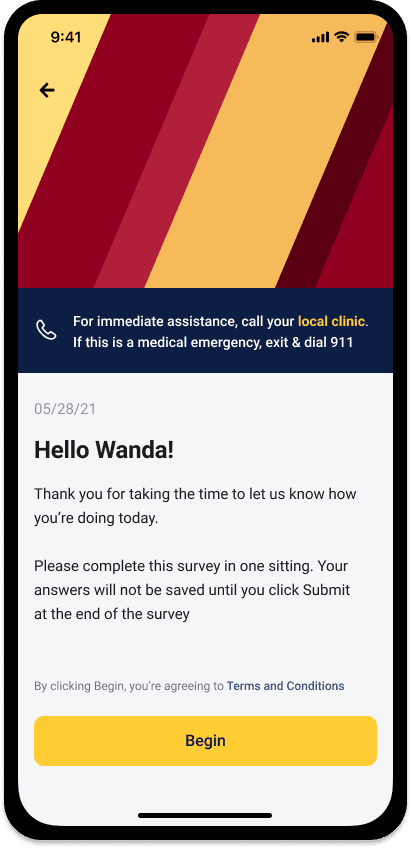
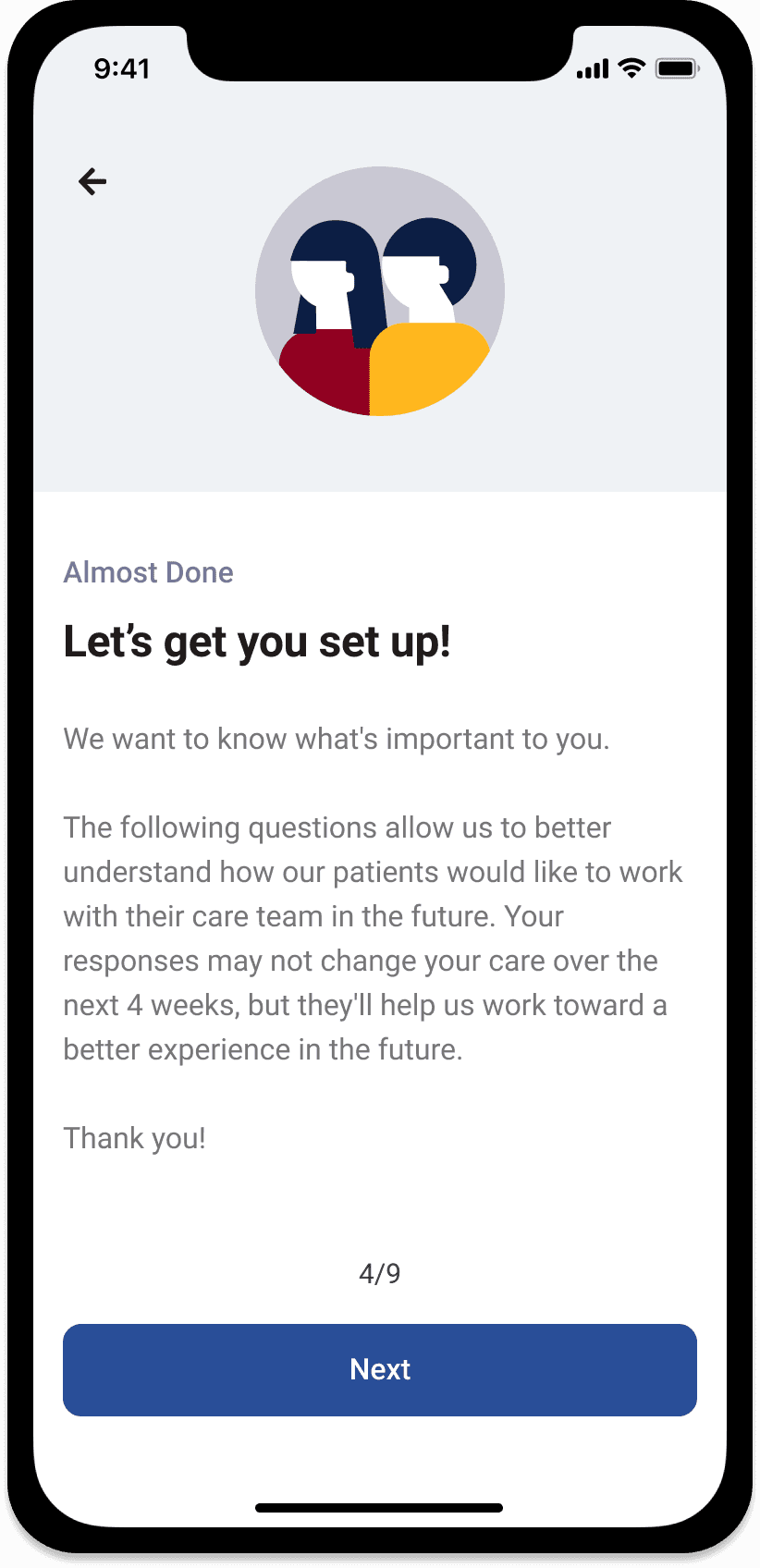
UI Design - Onboarding
I mapped out a core MVP journey that balanced patient simplicity with care team needs:
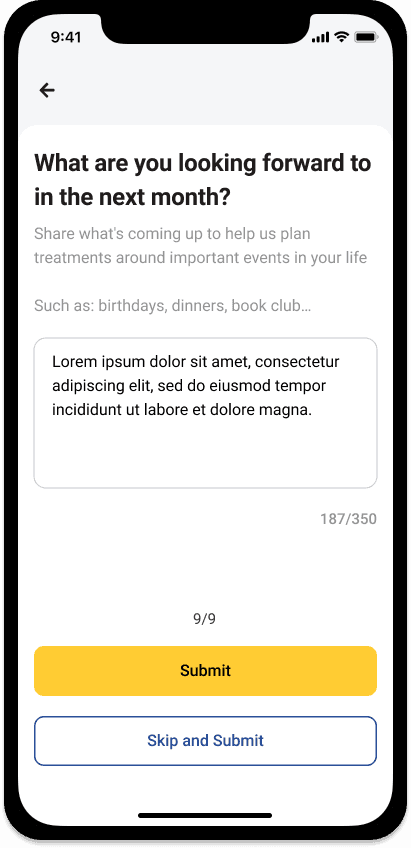
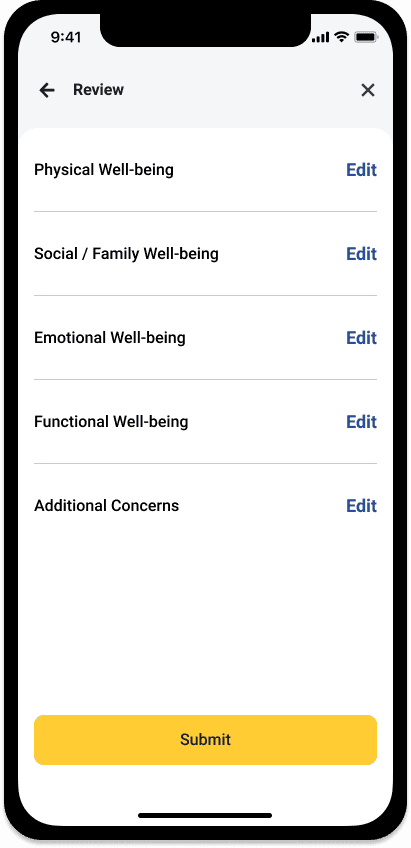
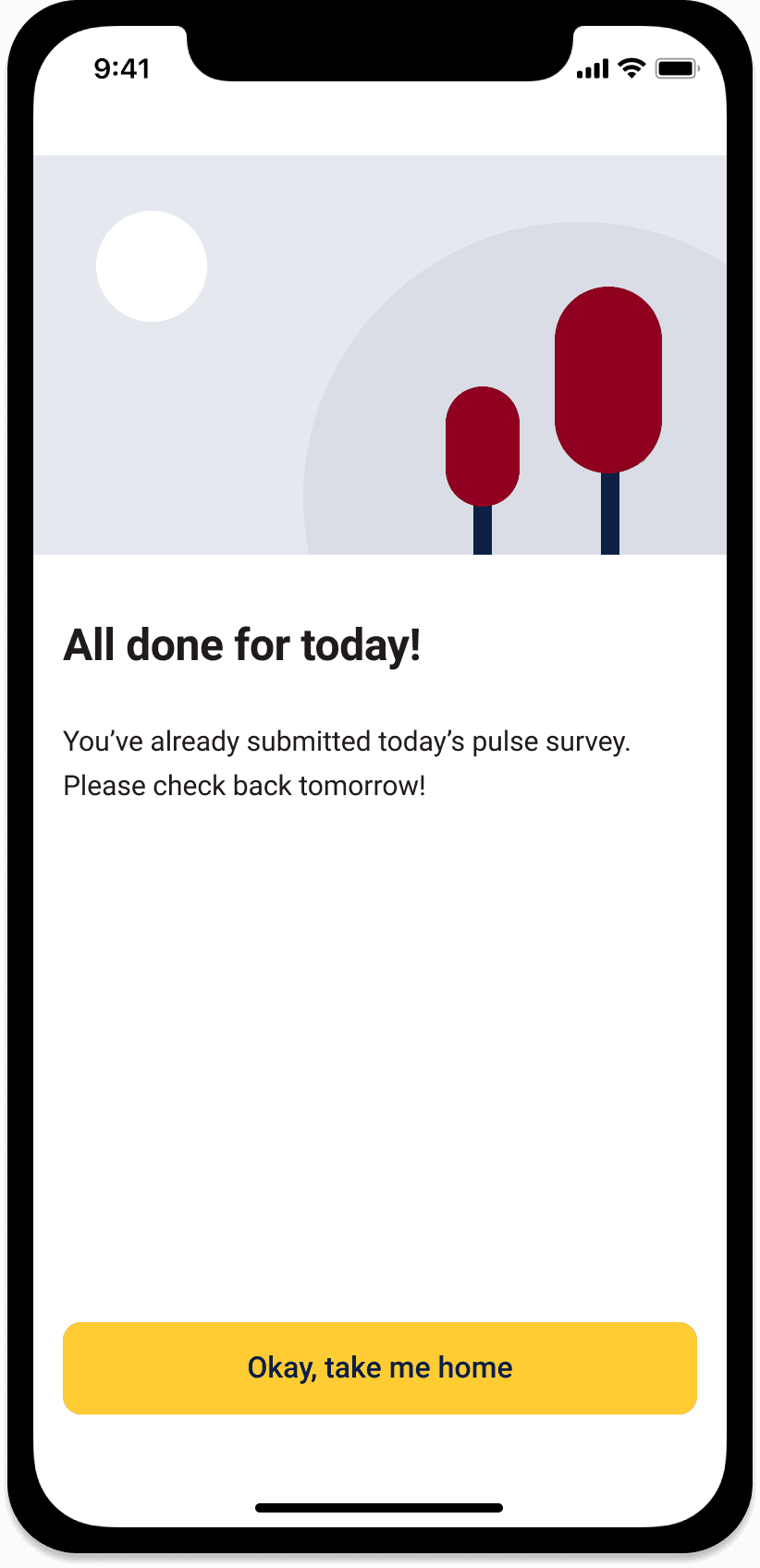
UI Design - Daily Symptom Surveys
I mapped out a core MVP journey that balanced patient simplicity with care team needs:
Testing & Validation
QA + Clinical Usability
Purpose
Validate structure & language
Outcome
Confirmed clarity of scales and navigation
Caregiver Navigation Testing
Purpose
Validate flows for caregivers
Outcome
To-Do structure was intuitive
Post-deployment Feedback
Purpose
Real pilot feedback
Outcome
Identified richer data visualization needs & reminders
Impact
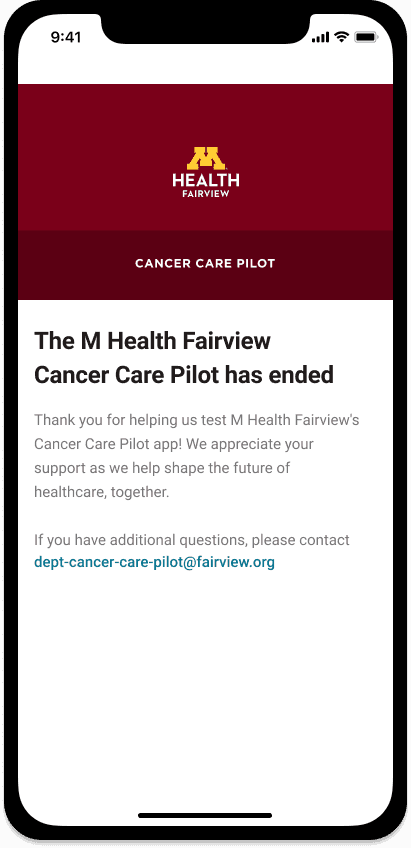
The MVP was deployed to a limited pilot group of cancer patients and caregivers as part of mHealth Fairview’s initiative.
High daily survey completion during pilot
Positive feedback on approachable tone and clarity
Improved symptom visibility for care teams
Actionable insights gathered for future releases
Next Steps
Based on pilot learnings, future iterations would focus on:
Expanding to additional treatment programs
Enhancing data visualization for clinicians
Adding real-time notifications and smart reminders
Integrating appointment booking and messaging
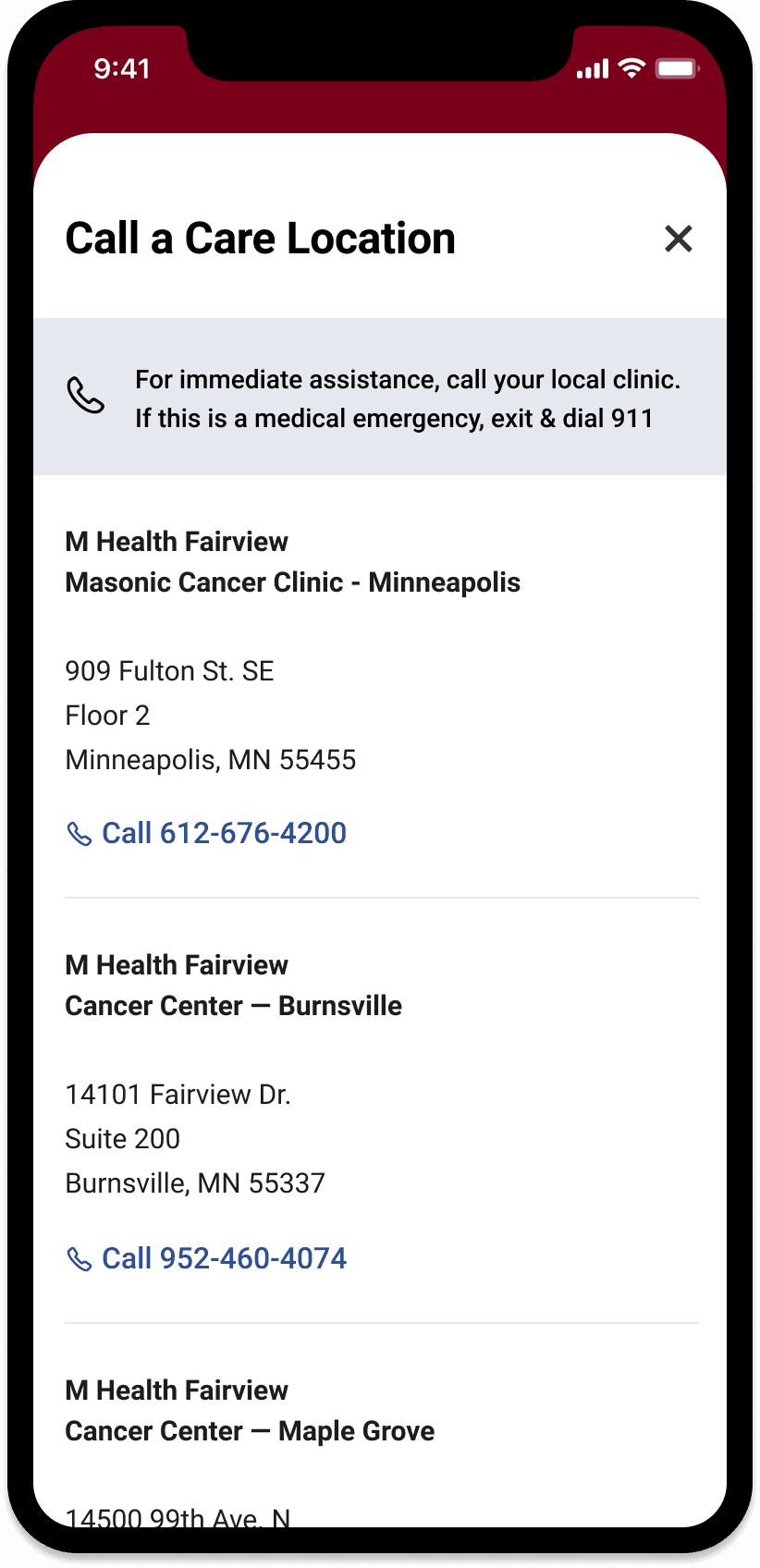
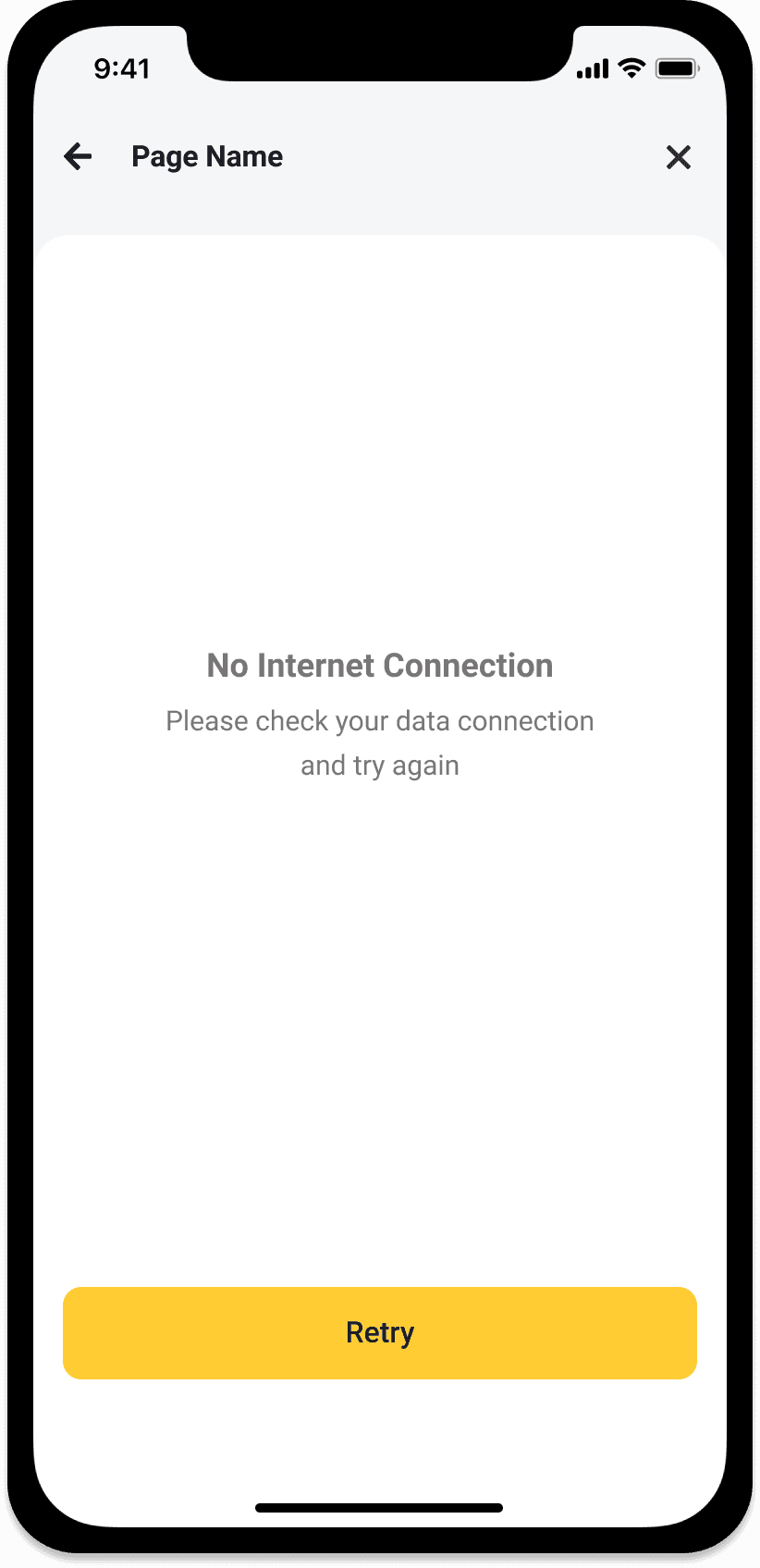
UI Design
Outcomes & Learnings
This MVP showed how clear structure, approachable language, and thoughtful visuals can support patients in some of their most vulnerable moments.
Designing for healthcare means designing with empathy first.
Detailed Figma prototypes and interaction flows are available upon request.
Request Access
Bringing scattered journeys together means care becomes seamless.